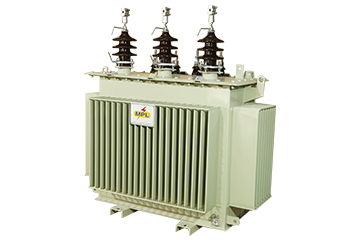
When a city is developing, the development officers and civic bodies have to make a vital decision- whether to install new power transformers or distribution transformers. This choice is important as it directly impacts the longevity, performance and sustainability of the electrical network. Over-reliance on any of these transformers can be dangerous. For instance, if there is a power transformer supplying electricity but with a lack of sufficient distribution transformers, the electrical grid may face frequent overloads. Similarly, if the load capacity of the power transformer is inadequate and not optimized, the city might face frequent power outages. Therefore, the insights from the right Transformers Manufacturers matter a lot in this critical decision. In this blog, we will explore and learn about what the Power Transformers Suppliers and Distribution Transformers Suppliers have to say.
Understanding Distribution vs Power Transformer
Before we get into which transformer is suitable for a particular network, we must understand the definition, function and differences between the distribution and power transformer. The transformers manufacturers make them in different configurations, capacities, sizes and features. These are not used interchangeably, and their installation and commissioning procedures have separate protocols.
Power transformers are those that are used to transform low-voltage power to high-voltage so that it can be transmitted to the utility end safely. It is a step up transformer with high load capacity because it transfers massive power from the generation end.
Whereas, the distribution transformers are those that transform high voltage to low voltage for optimized distribution for consumption at domestic, residential and industrial places. By reducing the voltage, the current value is increased for efficient distribution.
What The Leading Transformers Manufacturers Say
Efficiency & Load Capacity is Prioritized
The efficiency of power transmission and distribution is optimized to minimize the power losses. Power transformers suppliers focus on the optimized load capacity for continuous supply at full load operation. They install these transformers near the power generation units or substations of teh electrical grid.
On the other hand, the distribution transformers suppliers deal with teh fluctuating load, because they have to cater to variable laid needs. Hence, they supply to a broad range in localized settings while ensuring safety and minimum power outages.
Location Plays A Key Role
Power transformers are larger due to their higher load capacity. Therefore, they require high maintenance, scheduled performance checks and a larger footprint. On the other hand, distribution transformers are installed near the consumer end, and their safety is a high priority. They occupy minimum space by mounting on the pole or a compact area.
Choosing the Right Supplier Matters
Whether it is power transformers suppliers or distribution transformers suppliers, choosing the right transformers manufacturers matters too. They should be in compliance with ISO, IEC, IEEE, and local grid codes, approved by regulatory bodies and lab tested. Their performance must be proven by their past projects in different environments. Moreover, their designs must have high efficiency with minimum load losses.
Conclusion
For any developing city or expanding industrial zone, the decision between power and distribution transformers shapes the future of its electrical reliability and operational efficiency. Macroplast Transformers is a reliable name in the transformer supply industry. Not only do we deliver an excellent range of products, but our commissioning and maintenance services are also trusted by many reputable clients from the government to the private sector.